
Total Conquest How Troop Production Works
Cities are the factory. Countryside is the road. This page is the production clock behind every send on a 50-player Total Conquest map.
Your army in Total Conquest is not a loadout. It is a clock sitting on tiles you own. This page is the deep production guide. The parent picture lives on the army hub. Split math lives on the troop-split planner. Siege technique lives on how to capture cities. Match rewards for actually winning sit on match rewards.
LDS Fighting has not published exact tick intervals. We will not invent a “12.4 troops per 8 seconds” table. The relative rule is enough to play well: more cities, more troops, more options. When a patch publishes numbers, this page will replace the relative rule with the number and keep the percentages as a fallback.
The four production facts that never move
- Tiles you own generate troops over time. Empty land you do not own generates nothing for you.
- Cities generate faster. That is why the official how-to-play starts with capturing them. Countryside is a corridor, not a factory.
- Collect is an action. If you skip it, the clock ran and you did not cash it. Controls is the click path.
- Troops on a city are both a garrison and a bank. Sending them is a withdrawal. Sending 100% is closing the factory.
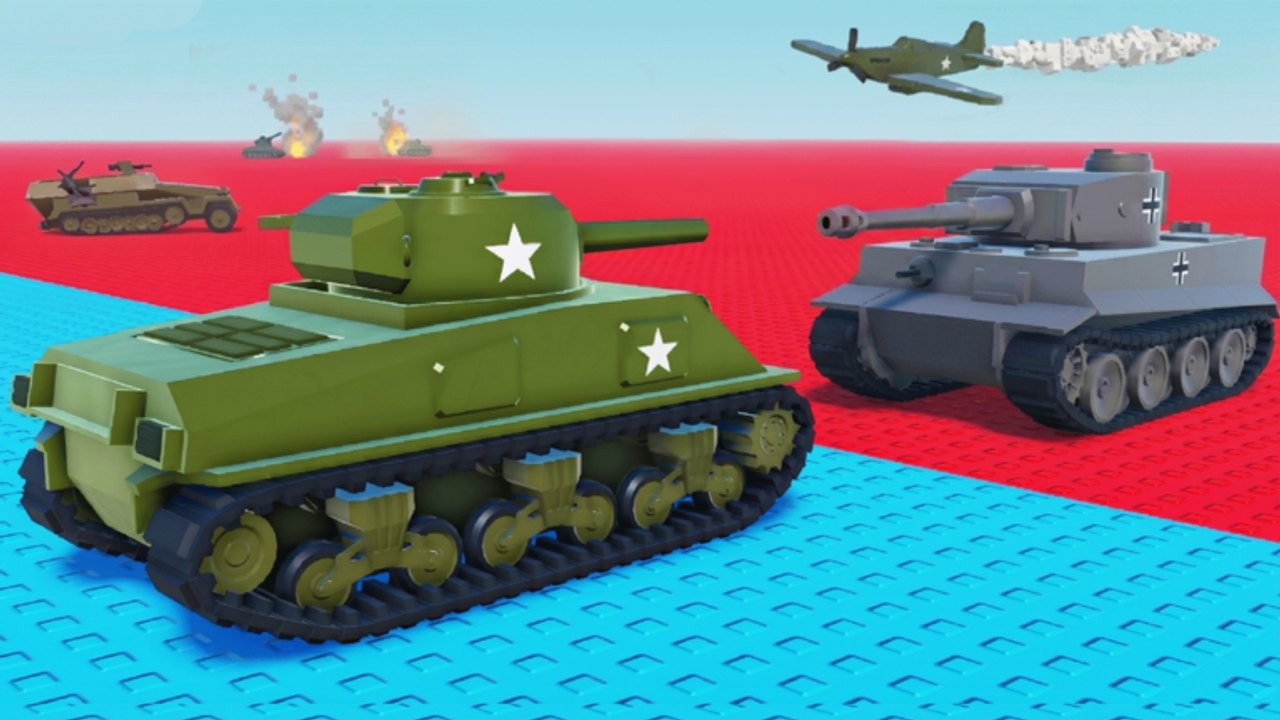
Promo art shows tanks and planes. The match layer is still stacks on tiles. There is no public rock-paper-scissors of infantry versus armor in this beta. Play the stack. If a future update adds unit types with counters, this page will grow a table. Until then, do not import Conquer The World WW2 division templates. The WW2 name page explains that mix-up.
Floor versus overflow
Think of every city as having a floor and an overflow.
- Floor: the count you refuse to send. This is the garrison that stops a greedy neighbor.
- Overflow: everything above the floor. This is what paints the map and takes the next urban tile.
New players treat the whole stack as overflow. Then a third commander walks into the hole. A reasonable floor until you have data: one third of the city’s current stack, or a round number you will not dip below. Raise the floor when you are the map leader. Lower it only when two of your cities can reinforce each other in one send.
The troop-split planner turns that sentence into a number. The common mistakes page is what happens when you skip it.
Why connected cities beat pretty borders
Two cities that touch can bounce overflow between them. Two cities split by a strip of enemy land cannot. Take the countryside between your cities as infrastructure. Do not take a ring of countryside around a single city and call it an empire — that is the B-tier wrap from the openings list.
A production lead is a city count lead plus collect discipline. A painted countryside lead is a costume. The win screen still counts map control, but the army that closed the map did it with urban tiles, not with empty roads. How to win is the political half of that sentence.
Collect rhythm
Collect is easy to skip in a 50-player brawl. Build a rhythm:
- After every send, glance at owned cities.
- Collect before you open the count box for the next send.
- Collect again after a command lands, because a production-style card is wasted if you never cash the extra troops.
- If collect vanished, rejoin once. That is a beta hitch, not a new passive.
Do not assume production became fully automatic because a YouTuber never mentioned the button. The HUD still asks you to collect.
Commands that plug into production
A production-style command wants a city you will hold. A strike-style command wants a city you will enter. Neither wants a vanity tile. Read commands and upgrades before you fire the com roll. Rank the habit on the tier list. The best commands page ranks card families, and command types explains what each family does on the HUD.
Missiles are not troops. They shrink a garrison so your overflow walk is cheaper. Follow bombs with a send or you paid for a firework. How to use missiles is the follow-through.
Fighting other armies
Sends that collide fight. Bigger usually wins. Empty capitals always lose. You do not get a hidden unit-counter table in this beta. If two stacks meet on countryside, you paid movement for a fight that does not raise production. Try to collide on the city you want.
Friends cannot merge armies into one pool. Coordinate who holds which city so overflow is not crashed on the same tile. Voice chat is not supported on the listing — use the official Discord or an external call. Call floors out loud: “City A keeps 40.”
When production stalls
If tiles stop growing, you may be looking at a beta hitch, a city you do not actually own, or a collect button you have not clicked. Rejoin, then report on the Roblox community with place ID 131530256182298. Do not paste an auto-collect GUI. That belongs in auto-farm scripts as a warning.
Grow on cities, spend overflow, keep a floor. That is troop production. Everything else is a command you fire after the floor is safe.
Frequently Asked Questions
Quick answers to the most common questions.
How do I get more troops in Total Conquest?
Own cities, collect on them, and stop sending your garrison. Countryside produces slower. Details in how to capture cities.
What is a garrison floor?
The troop count you refuse to send. Overflow above that floor is what attacks. Use the troop-split planner to pick the number.
Does countryside produce troops?
Yes, slower than cities. Treat it as a road between urban tiles, not as the plan.
Are there infantry, tanks, and planes with counters?
Promo art shows them. The match layer is still stacks on tiles. This wiki will not invent a counter table.