
How to Capture Cities in Total Conquest
City tiles are the real scoreboard. This guide covers sieges, home guards, and the countryside traps that stall a beta snowball.
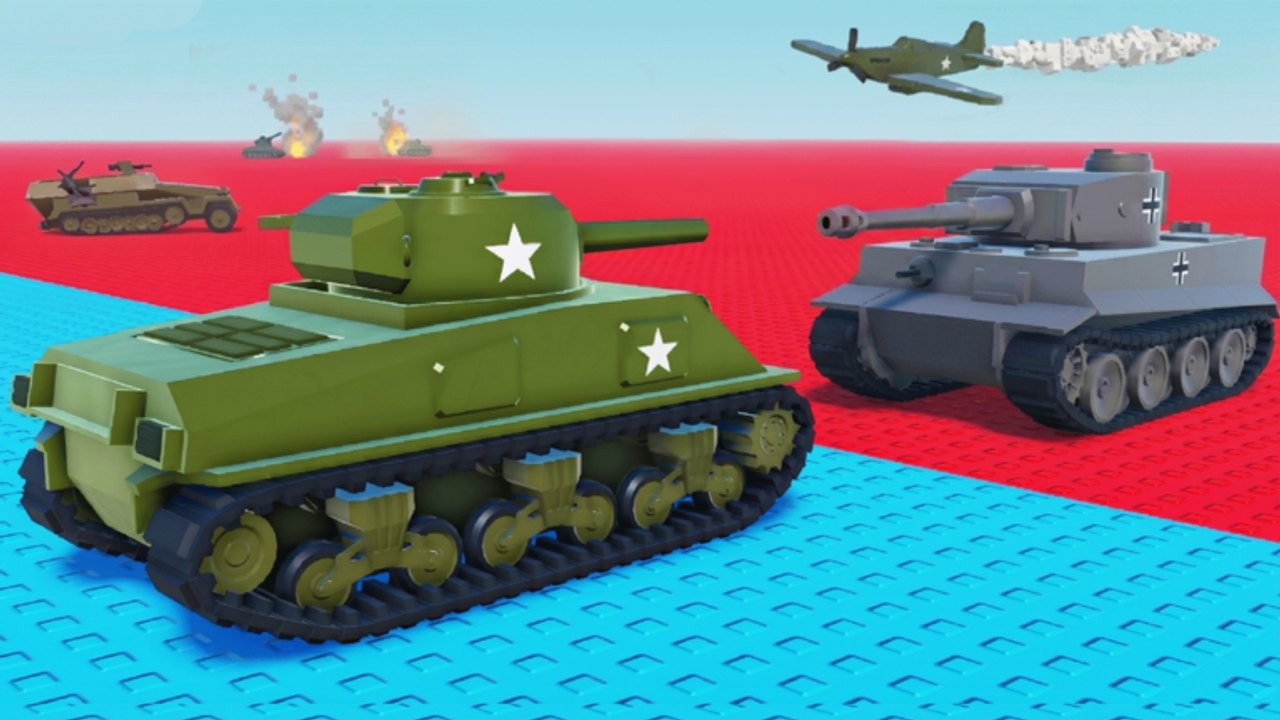
The Roblox description puts cities in line one of how to play for a reason: capture cities to boost troop production. Commanders who paint the map with countryside and skip urban tiles look wide and then get out-produced by a smaller empire that sat on three cities. This page is only about taking and keeping those tiles. Pair it with how to play for the rest of the loop and with how to win once you are the city leader.
What a city does
A city is a production building that happens to sit on the map. Regular regions still spawn troops, but they do it slowly. Cities accelerate the clock. Two cities versus zero is not a fair fight after a few collect cycles even if both players started with the same blob.
That means the value of a send is not “did I gain a tile?” It is “did I gain a collector?” If the answer is no, the send had better be a bridge to a city or a block on an enemy collector.
Spotting cities in the HUD
Beta art uses distinct urban markers versus open land. If you are unsure, watch which tiles the experienced players fight over. Those are cities. First-look footage also shows a choose to collect your city action — if a tile offers collect, treat it as urban until proven otherwise.
Zoom out once at spawn and count every city you can see. That count is your opening plan. The openings tier list ranks city-first versus land-grab starts.
The siege send
- Leave a home guard on your current city. Empty capitals are how third parties steal the lead.
- Compare your attack stack to the visible garrison. If you cannot see numbers, assume the defender has been collecting and send more than a token.
- Path through tiles you already own when you can. Walking a stack through enemy countryside picks extra fights you did not budget.
- Arrive, win, collect. A captured city that you forget to collect is a trophy, not an engine.
- Park a garrison before you pivot to the next urban tile.
The troop-split planner has sample ratios. A clean beginner siege is 70/30: seventy percent on the attack, thirty percent at home. Drop below a third at home only if no third player can reach you this cycle.
When not to take a city
Skip a city when:
- The garrison is larger than your entire mobile army and you have no command or missile to cut it.
- Taking it would empty two of your own cities.
- It is a bait tile in a pocket with only one entrance, and a larger neighbor is waiting on that entrance.
- A friend is already sieging it and you would crash stacks.
Walk around, take the next urban tile, and come back when production has rebuilt the stack. Stubbornness is how beta matches flip in thirty seconds.
Missiles on cities only
Missiles and bomb actions exist to shrink a garrison before your stack arrives. Use them on the city you are already walking toward. Bombing a random region “to see if we can” is the joke from the first-look video, not a strategy. If your command roll is a strike, it follows the same rule.
Holding after the capture
The most expensive city is the one you take and immediately leave. Collect on it. Leave a garrison that would annoy a greedy neighbor. Then send overflow only. Overflow is troops above the garrison number. If you do not know your garrison number yet, pick a round count you will not dip below — for example never leave a city under a third of its current stack.
Friends can rotate holds: one player parks, another walks. Say the number out loud. “City A keeps 40” is a better call than “I got it.”
City chains and snowballs
Once you own two cities that touch, you can bounce overflow between them faster than a rival who owns spread-out land. Chain cities. The army hub explains why connected production beats a pretty border. If a countryside tile sits between two of your cities, take it as infrastructure, not as a trophy.
When you are ready to close the map, do not peel garrisons off the chain. Close with overflow. That is the whole how to win late game in one sentence.
Beta caveats
Exact production numbers are not published in a Trello. Play the relative rule: more cities, more troops, more sends. If a patch changes collect timing, the updates hub will note it. Until then, capture, collect, garrison, repeat.
Frequently Asked Questions
Quick answers to the most common questions.
Why are cities more important than regular tiles?
Cities boost troop production. Regular tiles are mostly movement space. Production wins long matches.
Should I empty my capital to take a city?
No. Leave a home guard. Use the troop-split planner so a third player cannot walk into the hole.
Can missiles capture a city by themselves?
Treat missiles as garrison-shrinkers, then walk a stack in. A bomb without a follow-up send usually wastes the spend.
What do I do after I capture a city?
Collect, park a garrison, and only then send overflow. Skipping collect is the most common silent loss.